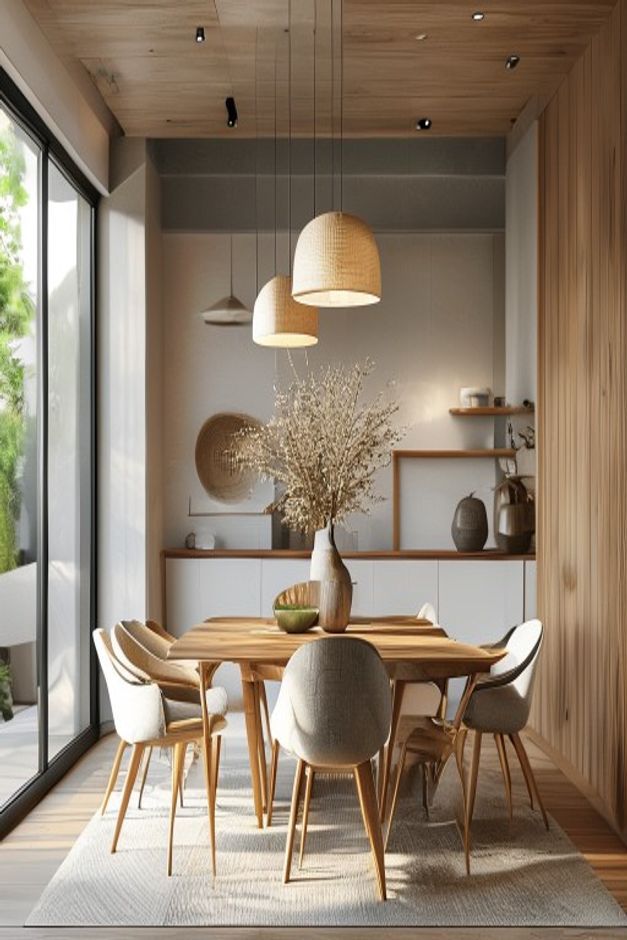

This dining room shows how a linear layout and natural materiality can transform a narrow space into a sanctuary of calm. By prioritizing honest textures and a restrained palette, the design achieves a profound sense of equilibrium that feels both grounded and expansive. Studying this space reveals how architectural rhythm, established through repetition and scale, provides the structural foundation for a truly livable environment.
Beyond mere aesthetics, the room highlights the importance of material continuity. The interplay between the warmth of the wood and the softness of the woven elements creates a dialogue that is essential for residential interiors seeking to bridge the gap between nature and architecture. This analysis will dissect the individual components that make this configuration successful, offering a blueprint for those aiming to replicate this level of sophistication in their own homes.
The Architectural Impact of Rectangular Solid Wood Tables
A rectangular solid wood dining table acts as the structural anchor for the entire room, providing a geometric stability that contrasts beautifully with the organic softness found elsewhere. Its elongated form respects the linear nature of the space, drawing the eye toward the floor-to-ceiling windows and creating a natural flow that feels intentional rather than forced. The weight of the wood communicates permanence, grounding the room in a way that lighter materials simply cannot achieve.
When selecting such a substantial piece, the grain and finish become paramount to the overall success of the room. A matte or natural oil finish allows the wood to breathe, emphasizing its inherent character and tactile qualities. This choice prevents the table from feeling overly formal or sterile, ensuring it remains an inviting surface for daily rituals. In many ways, the table serves as the primary interface between the inhabitants and the room’s broader design philosophy.
Curating Texture Through Woven Pendant Lighting
The decision to suspend three woven rattan pendant lights over the table introduces a vital layer of vertical interest and textural complexity. These fixtures do more than provide illumination; they act as sculptural elements that soften the rigid lines of the rectangular table. By clustering them, the design creates a rhythmic pattern that guides the eye across the length of the dining area, effectively breaking up the ceiling plane without overwhelming the visual field.
The choice of rattan introduces a raw, unrefined element that balances the polished nature of the interior architecture. This juxtaposition is a cornerstone of the modern organic aesthetic, where high-contrast materials are used to create depth. As these lights sway gently or cast intricate shadows, they animate the space, adding a dynamic quality that shifts depending on the time of day and the intensity of the natural light filtering through the windows.
Upholstered Seating and the Importance of Comfort
Upholstered dining chairs with wooden legs provide the necessary ergonomic support while reinforcing the room’s commitment to natural materials. The fabric choice, likely a neutral linen or textured blend, works to dampen sound and add a layer of physical softness that complements the hard surface of the table. These chairs are not merely functional; they are essential for creating an environment where one feels encouraged to linger long after a meal has concluded.
The wooden legs of the chairs serve as a subtle nod to the table, creating a cohesive visual language that ties the furniture grouping together. By repeating the wood tones found in the table, the chairs help to ground the seating arrangement within the broader room context. This deliberate repetition is what allows the space to feel curated rather than assembled, proving that consistency in material selection is a powerful tool for achieving visual harmony.
Integrating Woven Wall Art for Visual Depth
Woven wall art serves as a sophisticated alternative to traditional framed prints, adding a tactile dimension that feels both authentic and highly intentional. In this dining room, the wall art acts as a soft counterpoint to the architectural windows, bridging the gap between the building’s structure and the organic decor. The intricate patterns within the weaving provide a sense of craftsmanship that elevates the room, signaling a deep appreciation for artisanal processes.
This type of decor is particularly effective in narrow spaces where large-scale art might feel too imposing or claustrophobic. By opting for a woven piece, the designer introduces texture without adding visual weight, allowing the wall to remain a breathable part of the overall composition. It is a subtle move that demonstrates how wall treatments can influence the perceived size and comfort of a room, especially when balanced against other organic elements like floating wooden shelves.
The Role of Natural Wood Paneling and Architecture
Natural wood paneling on the walls provides a warm, enveloping backdrop that defines the room’s atmosphere. This architectural choice is instrumental in creating the modern organic feel, as it brings the outdoors in and establishes a consistent, earthy tone throughout the space. The paneling adds a sense of rhythm to the walls, echoing the linear nature of the dining table and creating a cohesive environment that feels wrapped in natural beauty.
For those interested in how these elements interact with other parts of the home, exploring Modern Organic Living Room Built-In Shelving Ideas can provide insight into how wood paneling can be adapted for different functions. When used as a primary wall treatment, wood serves to unify disparate zones, making the dining room feel like an extension of the home’s core identity. It is a timeless approach that avoids the pitfalls of trends, relying instead on the enduring appeal of natural timber grain.
Styling the Centerpiece with Ceramic and Dried Florals
A large dried floral arrangement housed in a ceramic vase provides a sculptural focal point that feels organic and unforced. Unlike fresh cut flowers, which can feel fleeting, dried botanicals offer a permanent connection to nature that matches the longevity of the solid wood table. The ceramic vessel itself adds a matte, earthy texture that complements the other materials in the room, such as the rattan lights and the wood paneling.
The scale of the centerpiece is crucial; it needs to be substantial enough to hold its own against the weight of the table, yet low enough to allow for conversation across the space. By keeping the color palette of the florals muted—leaning into taupe, beige, and off-white—the arrangement integrates seamlessly into the room’s overall aesthetic. This level of detail is what separates a standard dining room from a professionally curated space, showing how small adjustments can yield significant results.
Flooring and Rugs: Defining the Dining Zone
A textured area rug serves to define the dining zone within the larger open floor plan, providing a soft landing for the chairs and a layer of acoustic comfort. The rug’s texture should be robust enough to withstand the movement of chairs, yet soft enough to contribute to the room’s overall sense of warmth. In a modern organic space, a rug with a neutral, subtle pattern is often the best choice, as it supports the furniture without competing for attention.
The choice of flooring underneath the rug is equally important, as the transition between materials defines the room’s boundaries. Whether the floor is hardwood or a natural stone, keeping the transition clean and minimal ensures that the rug remains the primary anchor for the dining set. This layering approach is essential for large, open-concept homes where distinct zones need to be established through furniture and textiles rather than physical walls.
The Significance of Natural Light and View
Floor-to-ceiling windows are the most significant architectural feature in this room, providing a constant connection to the exterior environment. This abundance of natural light is what brings the wood tones to life, highlighting the grain and texture of the furniture and wall paneling. The windows act as a frame for the outdoors, making the room feel larger and more connected to the landscape beyond its walls.
When designing around such expansive glass, it is important to consider how window treatments—or the lack thereof—impact the room’s privacy and light quality. In this instance, the absence of heavy drapery allows the space to remain airy and bright, emphasizing the modern organic commitment to simplicity. If you are looking to extend this design language to other areas, such as the private quarters, consider how similar light-filtering techniques can be applied, as seen in Mastering the Modern Organic Bathroom: The Floating Vanity Aesthetic.
How do I maintain solid wood furniture in a dining room?
Regular dusting with a soft cloth and the occasional application of a natural oil or wax will preserve the wood’s finish and prevent it from drying out over time.
What is the best way to incorporate organic textures without clutter?
Focus on a few high-impact pieces like woven lighting or textured wall art, ensuring they share a consistent neutral color palette to maintain a sense of calm.
Can a modern organic dining room work in a small apartment?
Yes, by choosing a rectangular table that fits the room’s proportions and utilizing vertical space for decor, you can create a sophisticated, airy dining area in a compact footprint.